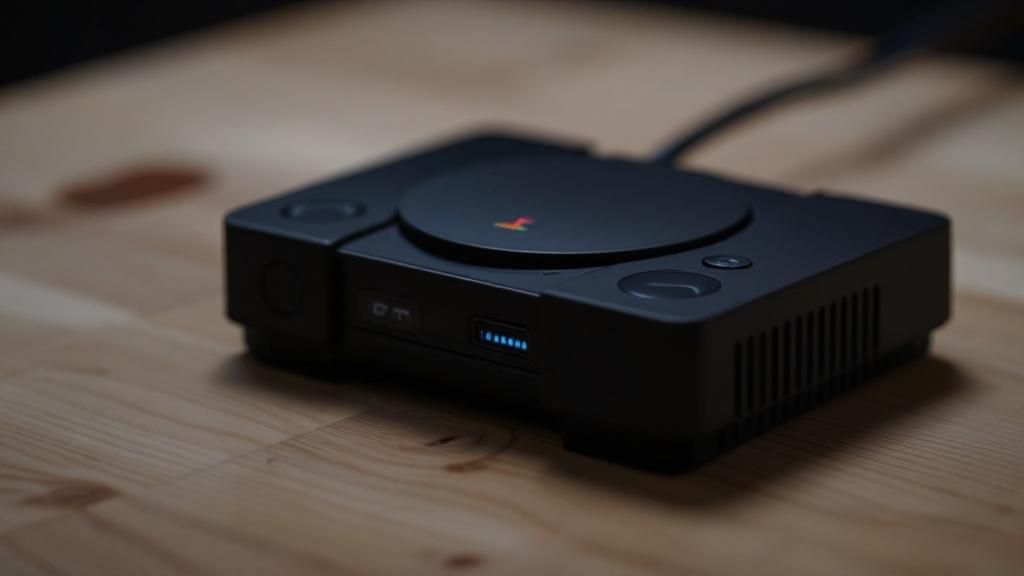
Sony has revealed a major extension to its backwards compatibility initiative, introducing a fresh wave of cherished retro PlayStation titles to contemporary consoles. This deliberate initiative permits gamers to experience again cherished classics from past console cycles without requiring older systems. The expanded programme delivers better frame rates and improved graphics on modern systems, closing the divide between classic play and cutting-edge technology. Explore which classic franchises are being added and how this advancement is redefining the PlayStation’s gaming landscape.
Expanding the Timeless Game Collection
Sony’s backwards compatibility programme represents a transformative approach to preserving gaming heritage whilst incorporating modern technology. By broadening the library of beloved PlayStation releases compatible with contemporary consoles, the company illustrates its commitment to celebrating its storied gaming history. This programme ensures that years of exceptional gaming experiences continue to be playable to seasoned fans and newcomers alike exploring these timeless classics for the first time. The broadened catalogue encompasses a broad spectrum of genres and eras, demonstrating the breadth of PlayStation’s pivotal role in interactive entertainment.
The programme’s expansion tackles a essential gap in contemporary gaming by converting difficult-to-obtain titles readily available on current-generation hardware. Players no longer need to maintain previous-generation systems or seek out costly used copies to experience these cherished games. This democratisation of classic gaming content bolsters the PlayStation platform and fosters user participation between different age groups. The initiative also demonstrates Sony’s commitment to gamer requests for extensive backwards compatibility options that honour the investment gamers have invested in their digital catalogues throughout the years.
Improved Emulation Technology
The core infrastructure of this backwards compatibility programme relies on sophisticated emulation technology that accurately replicates the original gaming experience whilst optimising performance for contemporary systems. Advanced emulation engines examine classic game code and translate it seamlessly for modern processors, ensuring interoperability without sacrificing authenticity. These technological improvements go further than mere functionality; they enable improved frame rates, improved resolution scaling, and faster loading times that substantially improve the gaming experience. The engineering teams have invested considerable effort in achieving this equilibrium of preservation and enhancement.
Modern emulation technology integrates machine learning algorithms and predictive processing techniques that forecast gameplay requirements and distribute resources efficiently. This advanced system reduces lag, reduces stuttering, and provides smoother performance than original hardware could provide. Additionally, the emulation framework includes adaptive quality settings that enable players to tailor their experience based on personal preferences and available system resources. These technological innovations represent years of dedicated development, ensuring that classic games run flawlessly on PlayStation 5 and other contemporary platforms.
Player Access and Convenience
Cross-generation compatibility fundamentally enhances user experience by merging gaming libraries across generations within a unified platform. Gamers can switch smoothly between current titles and older classics without juggling various consoles or purchasing duplicate copies of games they have acquired. The single dashboard simplifies navigation and finding new content, letting users to explore their entire collection effortlessly. This streamlined approach values gamer time and financial investments, clearing access restrictions that previously hindered enjoying cherished titles and encouraging exploration of retro titles.
The enhanced programme also tackles real-world accessibility issues by offering modern quality-of-life features alongside classic gameplay. Players gain access to enhanced controller compatibility, customisable difficulty settings, and enhanced graphics settings that support modern gaming requirements. Cloud save functionality allows uninterrupted progress across various devices, whilst achievements and trophy systems promote engagement with classic titles. These conveniences convert backwards compatibility from a nostalgic curiosity into a truly useful feature that improves the PlayStation experience overall for millions of players worldwide.
Advantages for Gamers and Industry
Enhanced Gaming Experience for Gaming Enthusiasts
The enhanced backwards compatibility programme delivers significant advantages to the player base. Players can now enjoy cherished classics with better performance, higher resolution, and quicker load speeds on modern PlayStation consoles. This access negates the need for maintaining legacy equipment, whilst maintaining gaming history for future generations. Gamers gain from effortless integration with current features, including trophy support and cross-platform functionality, enhancing their gaming experience significantly.
Economic and Competitive Advantages
From an industry standpoint, this initiative reinforces Sony’s competitive positioning within the gaming industry. By extending the legacy game library, PlayStation draws both experienced players pursuing classic gaming moments and new players exploring classic titles. This strategy optimises the potential of current franchises, generating fresh engagement in existing brands without substantial development costs. Additionally, the scheme promotes console loyalty and lengthens the revenue potential of legacy titles, establishing sustainable revenue streams through online platforms.
Safeguarding Gaming History
The backwards compatibility expansion serves a essential cultural function by maintaining notable gaming heritage. Classic PlayStation titles constitute important milestones in interactive entertainment history, and guaranteeing their availability prevents valuable works from falling out of reach. This dedication to preserving reflects the gaming industry’s maturation, accepting that older games merit acknowledgement and ongoing access. By preserving these digital artefacts, Sony makes a significant contribution to gaming’s cultural legacy whilst showing corporate responsibility towards maintaining entertainment history.
